Kaymn Accounting Kaymn Accounting Kaymn
English EN
Sign in Create account

They bought on credit. Then they paid. Don’t mix the two.

They bought on credit. Then they paid. Don’t mix the two.

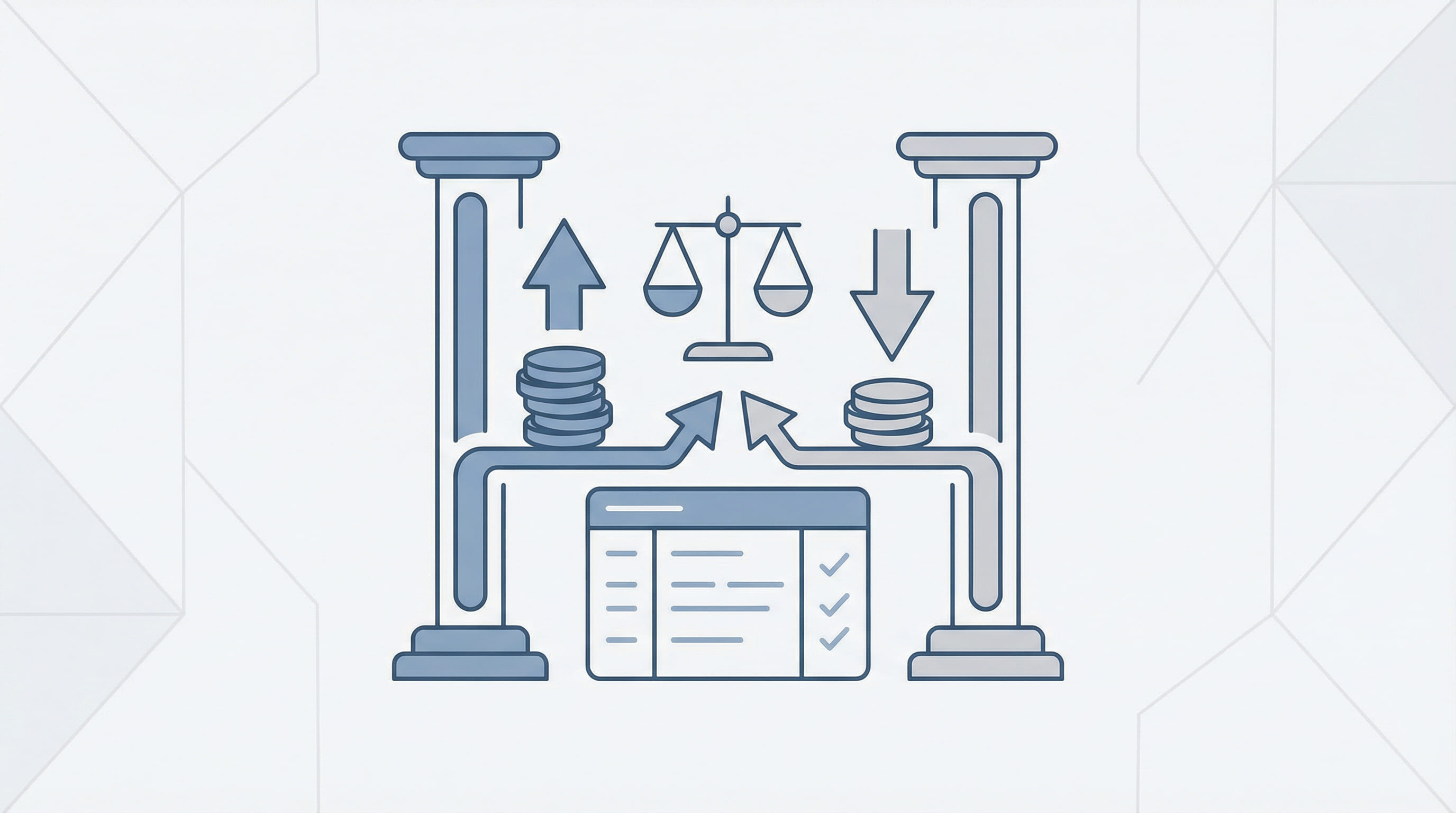
You don’t need debit and credit. You need to know whether this entry raises what they owe, or brings it down. Mixing those two is why the total looks wrong after they paid.

You sold on credit. Then they paid. Which way do you write it? People google debit and credit. In a shop the only question that matters is: does this entry raise what they owe, or bring it down?

Kaymn on kaymn.net has two buttons for that. Receivable means they owe you more — a credit sale, usually. Payable moves the other way: you owe them, or they are paying down what they owed. Recording a payment as another sale is the usual reason it still says they owe 140 after they paid 40 on 100.

Pick one pair of words and stick to it. Don’t keep two lists — “customers” and “clients” — for the same people. See how much they owe.

In Kaymn two buttons and a live balance — 7-day trial.
FAQ

They paid. Which button in Kaymn?

If they owed you, the payment should lower the balance. In Kaymn that is Payable — you are settling what they owed. Marking it Receivable records another sale by mistake.

Do I need debit and credit?

Those are accountant words. In the shop the only question is: does this raise what they owe, or lower it?

Is Kaymn the same as kaymn.com?

No. The customer book is kaymn.net. kaymn.com is a different product — a community, not this app.