How much they owe, sales on account, a WhatsApp statement — without full accounting.
14 articles — Page 1 of 2
You don’t need a ledger textbook. You need a number you can trust: what this person still owes, after every credit sale and every payment.
People want their own account on their phone. They do not want a photo of every name in the shop. Excel is fine until a second copy shows up.
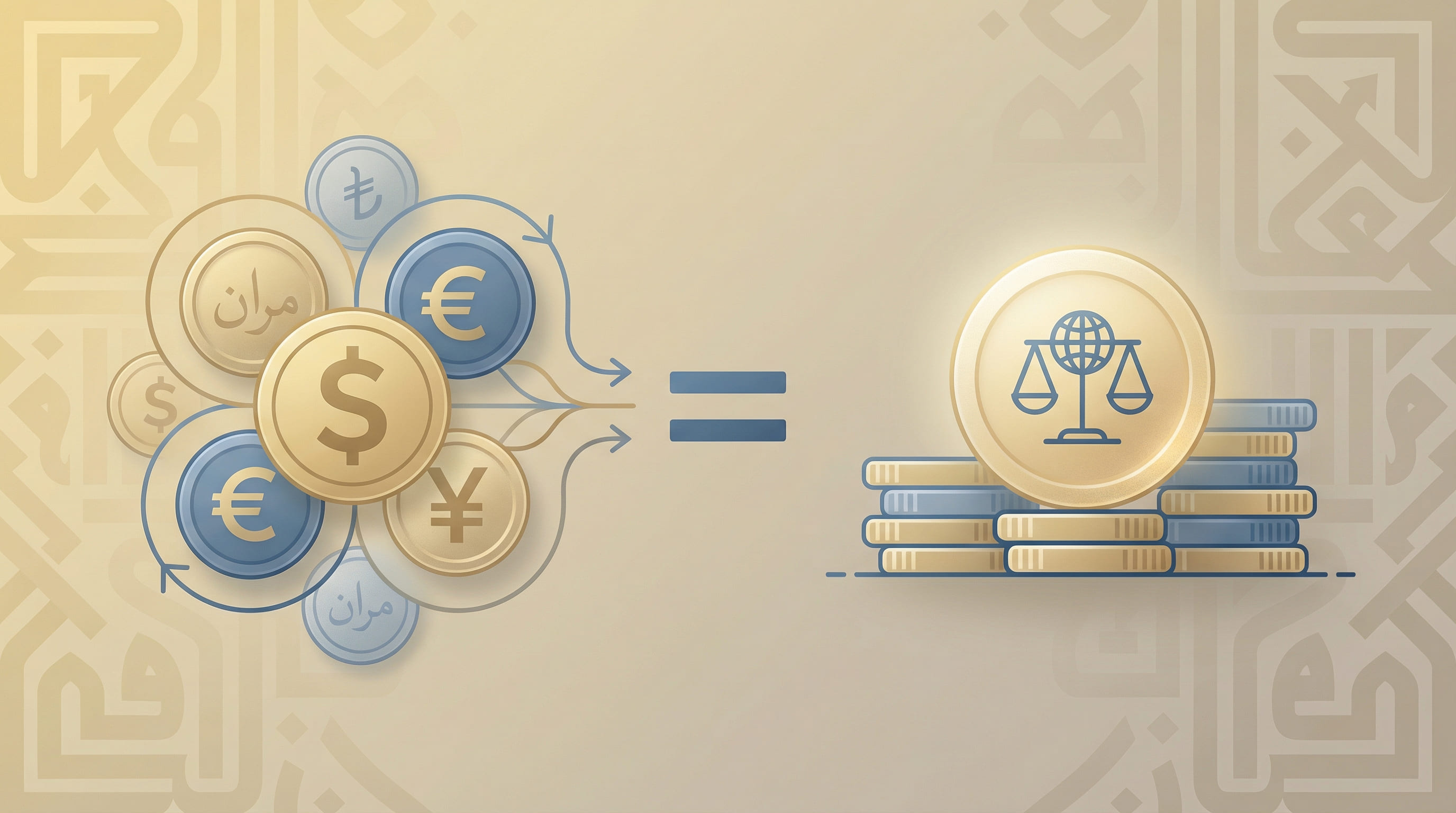
Once you know what each person owes, the next question is the shop’s: how much is out there altogether? You can’t add riyals to pounds. A dollar total is for yo...
You don’t need debit and credit. You need to know whether this entry raises what they owe, or brings it down. Mixing those two is why the total looks wrong afte...
A trader needs names, credit sales, payments, and a number on the phone. A chart of accounts can wait.
Groups and colours come later. First: the same name every time, write the sale today, don’t mix credit sales with payments.
If they owed 200 and you sold 50 more, add 50. Don’t replace 200 with 250. A payment is a new line so the total comes down.
Their name, the dates, each sale and payment, the currency, what they still owe. Not the rest of the shop.
A bare “50” cannot sit next to another 50 in a different currency. Pick the currency you actually took. A weekly dollar rate is for you, not for their statement...
Two names for one person, mixing sales with payments, no currency, the whole spreadsheet on WhatsApp, waiting a week to write it down.
Paper is fine for a handful of names. It fails when someone asks “how much do I owe?” while you are at the market.
A customer book tracks people and what they owe. Full accounting adds stock, tax, and double-entry. Most shops are looking for the first job.
Showing 1–12 of 14
Showing 1 to 12 of 14 results